"Fat dissolving injections" is a catch-all phrase, and the honest first answer is that it covers more than one method. Some injections aim to break down fat in a small area, while others, such as fat-extraction injections, remove it. Neither replaces weight management, and neither tightens loose skin.
Below we explain what the term means, how injectable approaches differ from liposuction, who may suit them, what a session and recovery involve, and what to ask before you travel. If you are looking at the jawline or the body, our pages on V-OLET slimming injection and the S-Fat fat-extraction injection describe how we use them at Gangnam Pieobom Dermatology Skin Clinic.
The short version
Injectable fat reduction is meant for localised fat, not overall weight loss. The method, the area and the amount of fat all affect what is realistic, so a doctor should examine you before suggesting anything. Results vary, cannot be promised, and loose skin or large fat deposits may call for a different approach.
What "fat dissolving" means
- Fat-dissolving injection: a product placed into a small area of fat, intended to reduce its volume gradually. Our V-OLET slimming injection is used for jawline contour.
- Fat-extraction injection: fat is drawn out through a needle. Our S-Fat is described as working on the same principle as liposuction, but by injection without an incision.
- Not the same as weight loss: these are contouring tools for stubborn pockets of fat.
- Not a skin treatment: they do not firm skin that has already loosened.
Fat-dissolving or fat-extraction injection?
| Question | Fat-dissolving injection | Fat-extraction injection |
|---|---|---|
| Basic idea | Reduces fat volume in place over time | Removes fat through a needle during the session |
| Typical focus | Small areas, such as the lower face | Selected body areas |
| Incision | None | None |
| What you can see | Gradual change over time | Extracted fat can be checked in the syringe |
| Decided by | Examination, area, amount of fat and your goals | |
This table is a general guide. The doctor chooses between them, or advises neither, after looking at your face or body in person.
Who may suit it, and who may not
- May suit: adults with a localised pocket of fat that does not respond to diet and exercise, who want to avoid surgery and understand the limits.
- May need another approach: people with a lot of loose skin, large areas of fat, or expectations of dramatic change.
- Needs a doctor's review first: anyone who is pregnant or breastfeeding, has a medical condition, takes regular medication, or has had earlier treatment in the same area.
Where skin laxity is part of the picture, a doctor may also discuss body contouring and lifting options.
What happens at a session
- Consultation: the doctor examines the area, asks about your history and explains the method and its limits.
- Marking and anaesthesia: for the S-Fat extraction injection, local anaesthesia is used and the session is described as about 20-30 minutes or less.
- Treatment: the doctor performs the injections in the agreed area or areas. You can treat several areas at once or choose only the ones you want.
- Check-out: aftercare is explained and any follow-up is arranged.
Aftercare and recovery
- Bruising and swelling: bruising may appear at the treated area and usually eases within a few days, though this varies.
- Avoid irritation: do not rub the treated area or subject it to impact.
- Heat and water: we advise avoiding saunas, Korean bathhouses and swimming pools for about a week after S-Fat.
- Activity: avoid strenuous exercise, alcohol and smoking for about a week.
- Hydration: drinking plenty of water is advised, since broken-down fat is discharged through urination.
Our aftercare page lists the full guidance.
Risks and limits to understand
- Temporary effects: swelling, redness, tenderness and bruising are common.
- Variable results: the amount of change differs between people and areas.
- Uneven or unwanted outcomes: contour irregularities, lumps or other effects can occur in uncommon cases and need review.
- Weight changes: remaining fat can still increase if weight is gained.
If you notice severe pain, marked swelling, skin colour change or anything unexpected, contact the clinic promptly. Complication care is available.
What to ask before you book
- Which method is proposed for my area, and why that one?
- What results are realistic, and what are the limits?
- How many sessions and how much recovery time should I plan for?
- Do I need skin-tightening care as well?
- Who do I contact after I return home if something feels wrong?
Related links
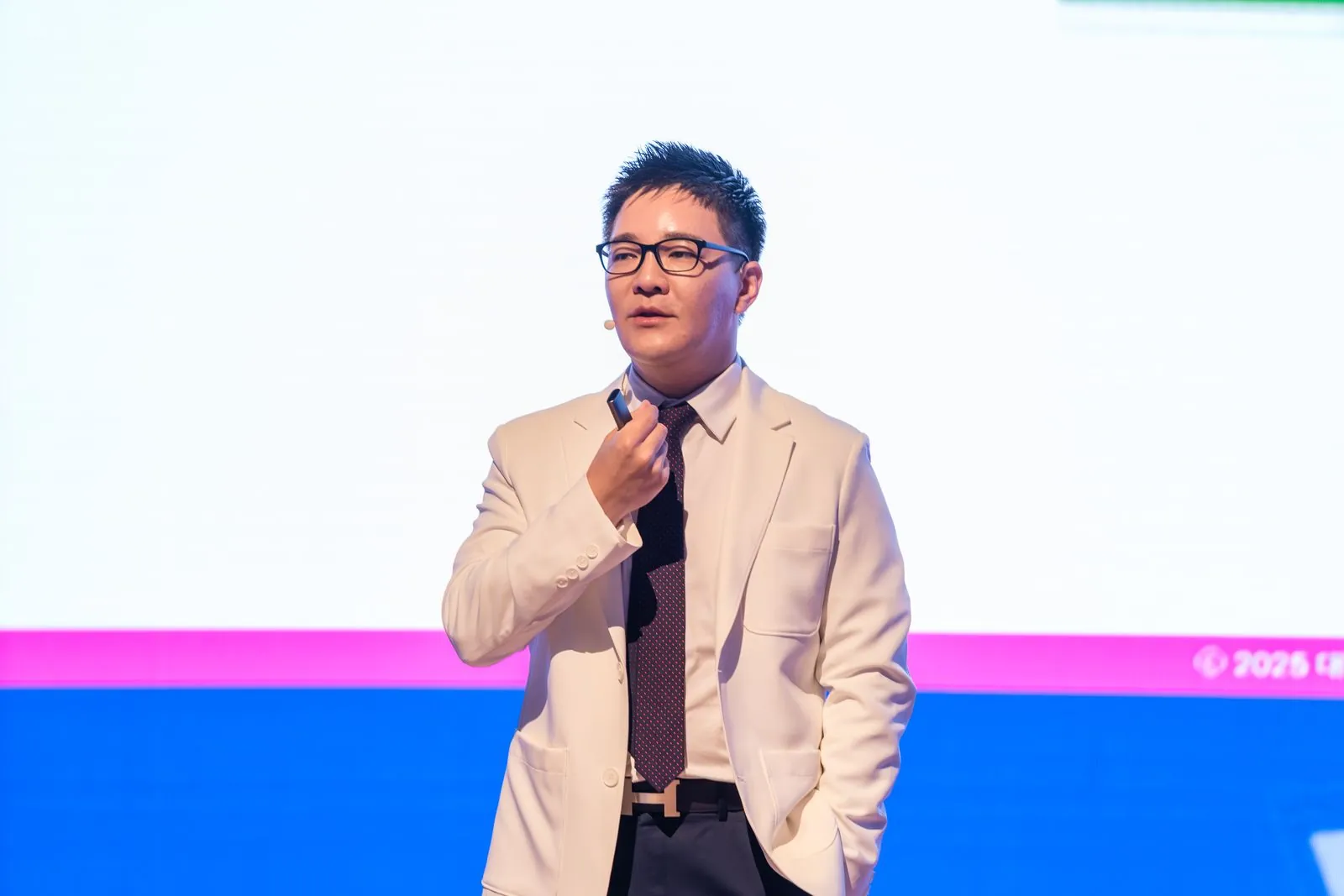
You can see fees on the price list, read Dr. Hyoseung Jang's background on the doctor profile, and see how we approach decisions in our treatment philosophy.
References
PubMed - Reviews of localised fat reduction and non-surgical body contouring
Journal of the Korean Society of Dermatology - Non-surgical contouring in Asian patients
Ministry of Food and Drug Safety (MFDS) Medical Device and Drug Safety Information Systems
Frequently Asked Questions
What are fat dissolving injections?
Fat dissolving injections are treatments placed into a small, localised area of fat to reduce its volume. Different products and methods exist, and what is used, and how, should be explained to you by the doctor before you decide.
Are fat dissolving injections the same as liposuction?
No. Liposuction is a surgical procedure, while injectable approaches are done without an incision. At our clinic, the S-Fat fat-extraction injection is described as extracting fat on the same principle as liposuction but by injection. Scope and results differ, and a doctor can explain which suits your situation.
Which areas can be treated?
Small to moderate areas of localised fat are the usual focus, for example the lower face and jawline, or selected areas of the body. Which area is suitable is decided at examination, since body shape and the type of fat differ from person to person.
Does it hurt?
Discomfort varies. Some methods involve local anaesthesia, and tenderness, swelling or bruising afterwards is common. Your doctor explains what to expect for the method chosen.
How many sessions will I need?
It depends on the area, the method and how much fat is present. Some plans are a single session and others are spaced over weeks. The plan is set after examination and reviewed as you go.
Will the fat come back?
Treated fat cells are not expected to behave like untreated ones, but remaining fat can still change with weight gain. Stable weight and healthy habits help keep a result, and nothing can be promised.
What are the risks?
Temporary swelling, redness, bruising and tenderness are common. Less commonly, unevenness, hardness or other effects that need review can occur. A doctor explains the risks that apply to your chosen method before you decide.
Can I combine it with other treatments?
In some cases, yes. Fat reduction does not tighten loose skin, so a doctor may discuss skin-tightening care alongside it. The combination and order are decided at consultation.
Is it a weight-loss treatment?
No. It is a body or face contouring approach for localised fat and is not a replacement for weight management.
Where can I see the cost?
Fees depend on the area and method, and are listed on our price list. A consultation helps decide which items you actually need.
Approval information for medical devices and drugs used in treatments can be checked on the Korean MFDS portals Medical Device Safety Korea and Drug Safety Korea.