How do I choose between Ultherapy and Thermage?
The two use different types of energy, and the right choice depends on your skin and concerns. We recommend deciding after a consultation.
Are results and recovery the same for everyone?
Results and recovery vary by individual. Please ask about the details at your consultation.
What does Thermage FLX feel like during treatment?
Most patients describe a warm sensation as each pulse is delivered, kept comfortable by the handpiece's continuous surface cooling. It is generally described as warmth rather than sharp pain.
Is there any downtime after Thermage FLX?
No. You can return to normal activities immediately after treatment. Mild redness may appear briefly and usually fades within a few hours.
How many sessions do I need, and how often?
Many patients see their goals met with a single full session, with results typically lasting up to about a year. Some return once or twice a year to maintain firmness; this is discussed at consultation.
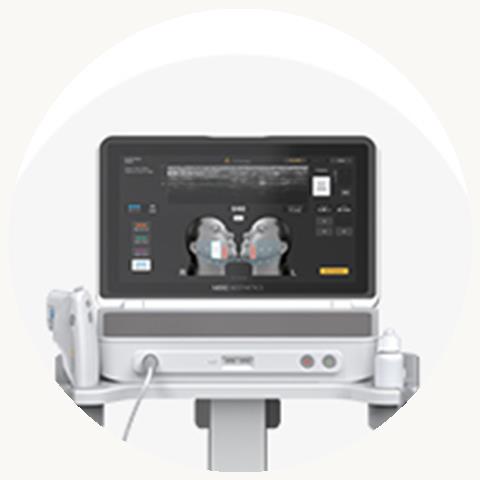
What's the difference between Thermage FLX and Ultherapy Prime?
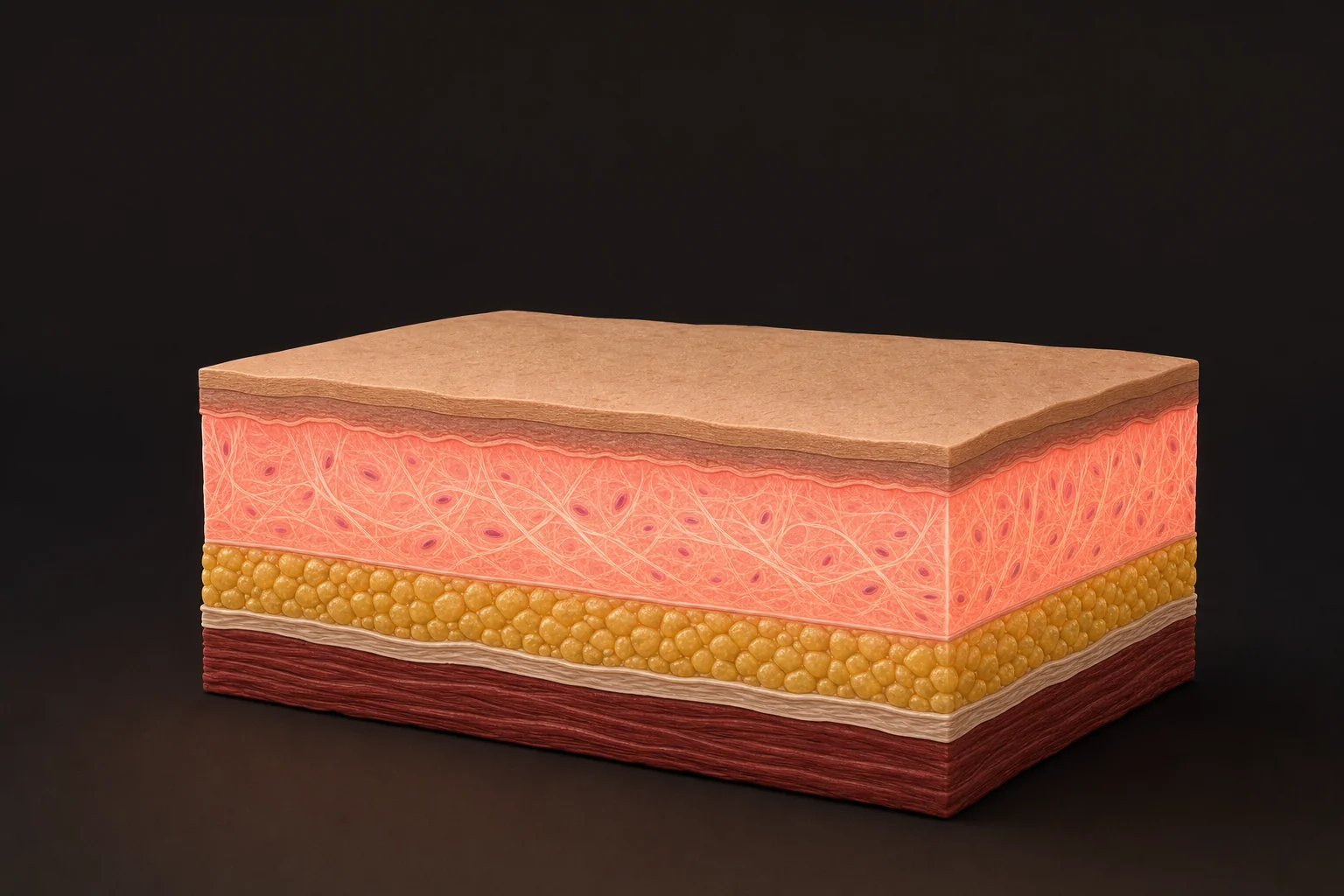
Both are non-surgical lifting devices, but Thermage FLX uses radiofrequency (RF) to evenly heat a broad area of the dermis, while Ultherapy Prime uses focused ultrasound aimed at the SMAS layer. Which suits you better depends on your skin and goals, and can be discussed at consultation.
Can Thermage FLX be combined with filler or skin boosters?
Yes. Thermage FLX heats and tightens existing tissue but does not add volume or improve surface texture on its own, so it is often discussed together with filler for volume loss or skin boosters for texture and hydration.
Who should wait on or avoid Thermage FLX?
It is generally not recommended during pregnancy, with active skin infection or significant inflammatory acne at the treatment site, or with a cardiac pacemaker or other implanted electrical device. More advanced skin laxity may respond better to a surgical lift. Suitability is confirmed at consultation.