한국어
 繁體中文
 简体中文
 日本語
 ไทย

If you are worried about facial sagging or reduced firmness, let me start with the conclusion on whether Ultherapy Prime or Thermage is the better fit for you.
If you want to lift structurally sagging areas from the dermis to the fascia layer (SMAS), Ultherapy Prime is the one to consider; if surface firmness and skin texture come first, Thermage may be more suitable. Because the two work at different skin depths and with different energy types, it is important to have your skin assessed first and then choose.
What is Ultherapy Prime?
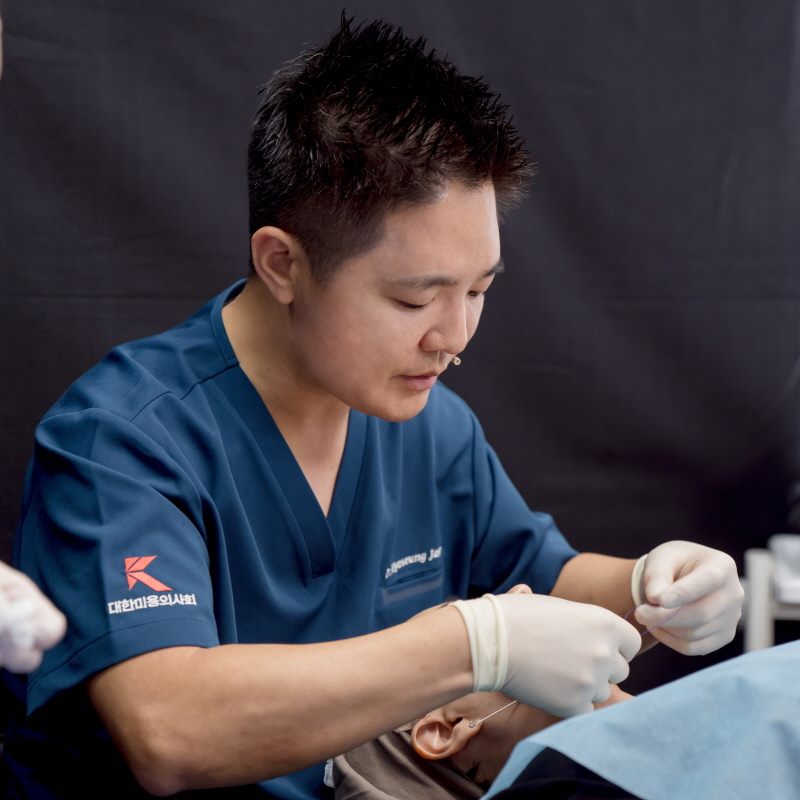
Let me first explain what Ultherapy Prime is. It is a next-generation HIFU lifting device developed from the principle of the original Ultherapy, and its real-time ultrasound imaging lets the doctor see the treatment area directly while delivering energy at the intended depth.
A distinguishing feature is that three dedicated DS tips (1.5 mm, 3.0 mm and 4.5 mm) are used to adjust intensity to the skin thickness and firmness of each area. It differs from earlier devices in that treatment can be observed and performed at separate depths, from the dermis down to the fascia layer.
How do the mechanisms differ?
What I have felt over more than 15 years of performing lifting treatments is that understanding a device's principle accurately and designing the treatment around each patient's skin condition shapes the result.
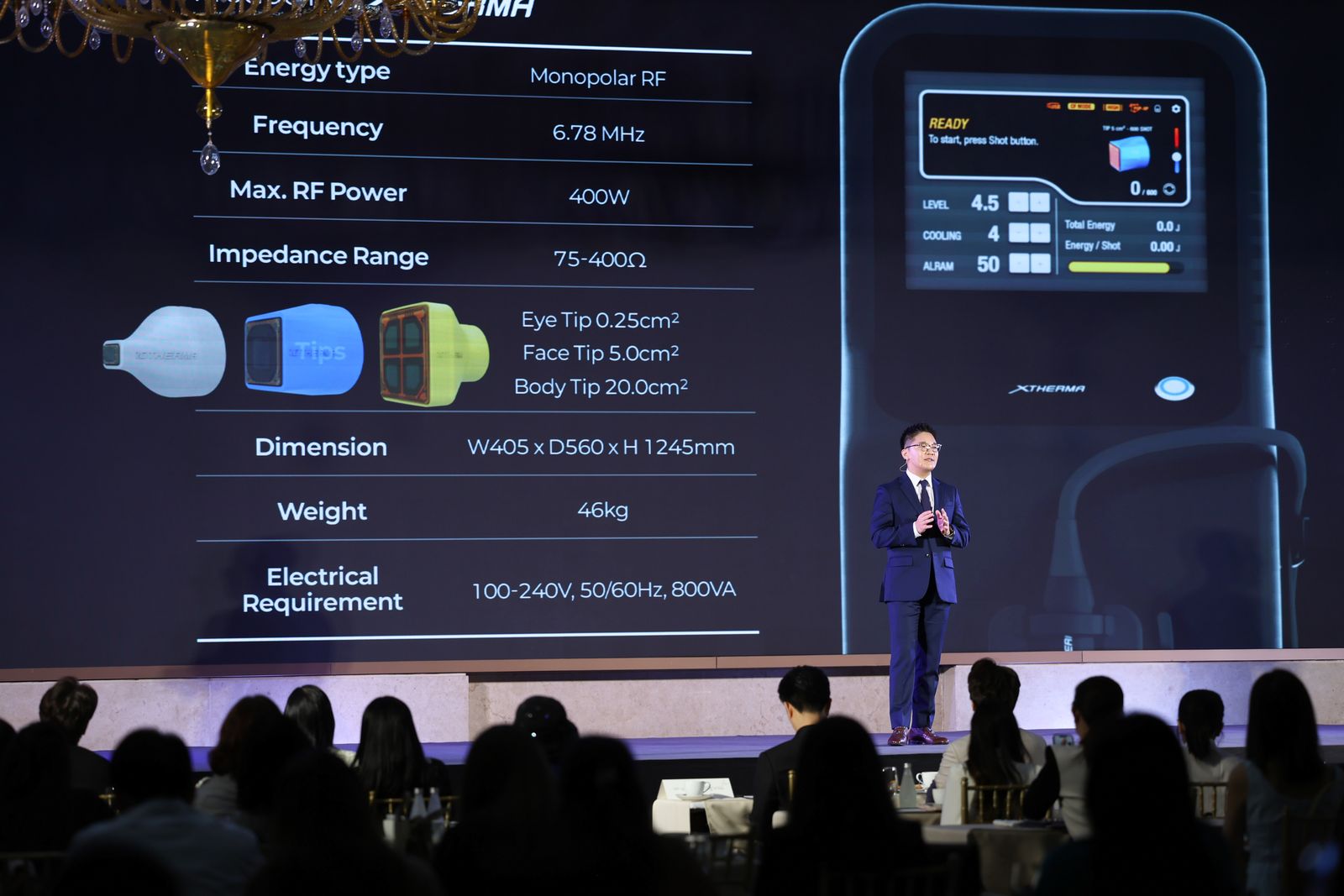
This treatment works by having ultrasound energy form thermal coagulation points of 60-70 °C, which aims to induce collagen renewal and tissue rearrangement. Thermage, by contrast, delivers RF energy evenly as heat across the dermis to stimulate the skin's elastic fibers, so there are clear differences in working depth and target area. Because of these differences in principle, the results you can expect may differ even though both are grouped as 'lifting treatments'.
What changes have patients actually experienced?
One patient in their 40s who visited our clinic was concerned about a sagging jawline and nasolabial folds. After consultation, lifting down to the fascia layer was judged necessary, so Ultherapy Prime was performed.
Rather than right after treatment, they noticed the jawline gradually becoming more defined and skin texture smoother from about 1-2 months later, and left feedback that the effect was still holding at around 6 months. This is an individual case and results vary.
Conversely, there was also a patient in their 30s concerned about pores and fine lines who first noticed an improvement in skin texture with Thermage. What both cases have in common is that the treatment was decided after a precise assessment of skin depth and degree of sagging at the consultation stage.
What expertise is the treatment design based on?
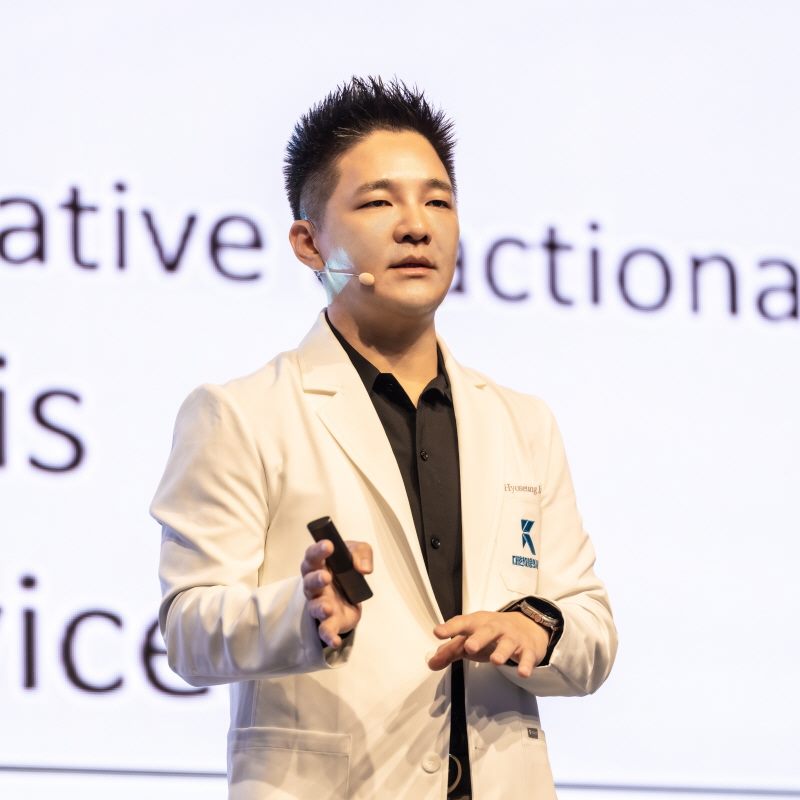
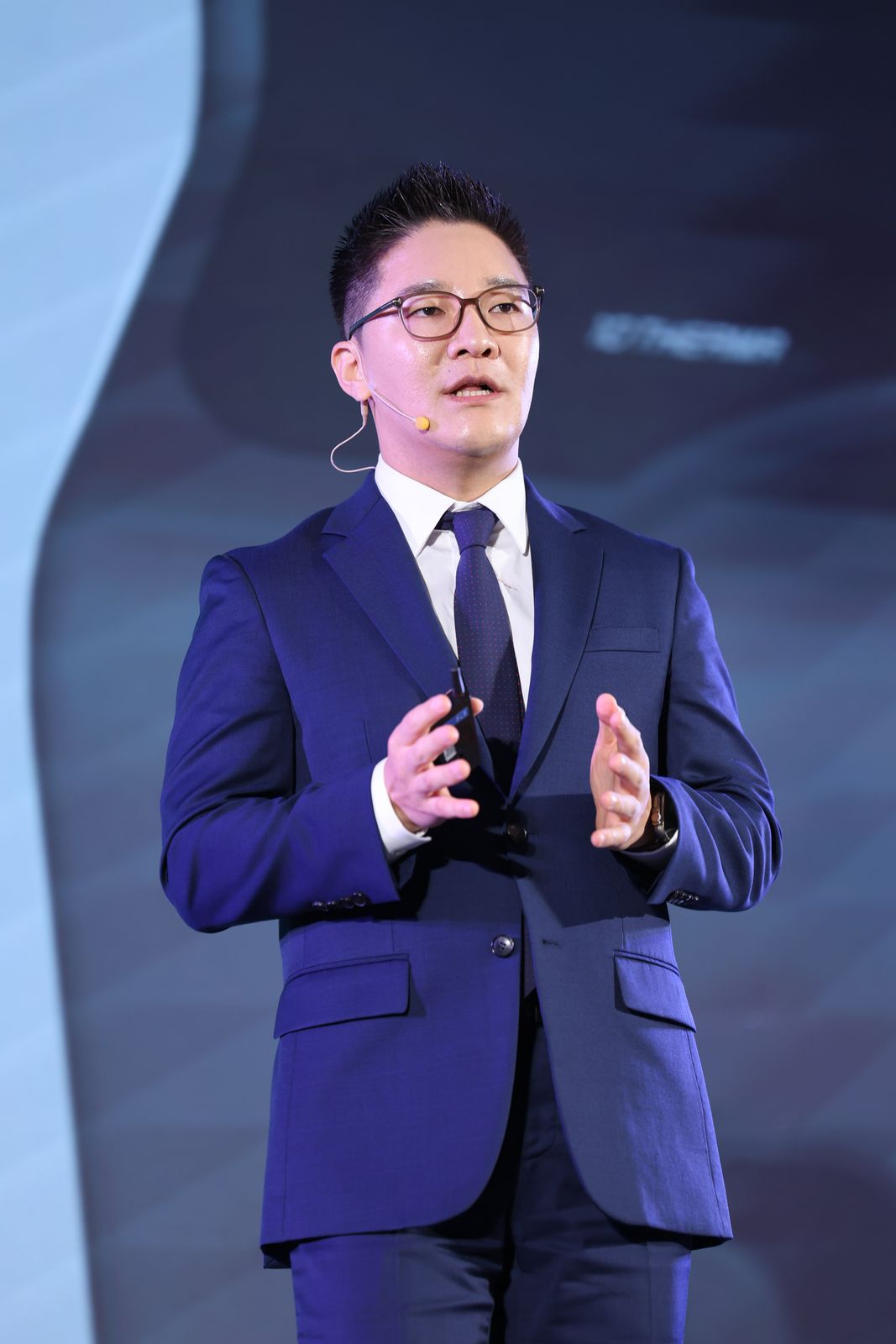
I serve as President of the Korean Association of Clinical Aesthetic Medicine, leading aesthetic-medicine academic activity in Korea, and I hold Key Doctor status for several lifting treatments and also train junior physicians.
Drawing on more than 15 years of accumulated experience, I keep up academic activity and treatment research and reflect the latest trends in lifting devices in my practice. I believe that not merely operating a device but understanding its principle and designing a patient-specific treatment leads to safe, satisfying results.
Ultherapy Prime and Thermage compared at a glance
| Category | Ultherapy Prime | Thermage |
|---|---|---|
| Energy type | High-intensity focused ultrasound (HIFU) | Radiofrequency (RF) |
| Working depth | Dermis to fascia layer (up to 8 mm) | Mainly the dermis |
| Main effects | Structural lifting, jawline refinement | Skin texture improvement, pore care |
| When effects appear | Gradually from about 1-2 months | Noticed relatively quickly |
Who each may suit better, in more detail
To explain the detailed differences a little more, because this treatment delivers energy down to the fascia layer, it has strengths in lifting a structurally sagging face line.
Thermage, on the other hand, focuses on stimulating dermal collagen to improve firmness and smoothness, so it may suit those concerned about skin texture or pores more than sagging.
Some people have both treatments together, and in that case it is important to adjust the order and interval to the individual's skin condition.
At consultations I check skin thickness and degree of sagging together, and then help judge with you which of the two devices would be more efficient, or whether combining them is needed.
Because the pattern of sagging differs with age group and lifestyle, I believe it is essential to look at the actual condition of the skin and judge from that, rather than choosing a treatment by age alone. My clinical experience has led me to the conclusion that, rather than setting very short intervals or forcing the intensity up, an approach that leaves enough time for the skin to recover and improves things step by step produces more stable results over the long term.

What should you check when choosing a lifting treatment?
① If your concern is a structurally sagging area such as the jawline or nasolabial folds, Ultherapy Prime is the first option to consider.
② If the goal is surface-level firmness improvement such as pores, fine lines and skin texture, Thermage may be more suitable.
③ The most accurate way to know your own skin thickness and degree of sagging is through a precise assessment at a consultation.
Related links
If you are considering a lifting treatment, you can book a consultation through the Gangnam Pieobom Clinic Naver booking page and see Dr. Hyoseung Jang's detailed background in the profile. If visiting near Gangnam Station is convenient for you, please also refer to the Gangnam Pieobom Clinic directions page.
References
PubMed - A Systematic Review of High-Intensity Focused Ultrasound in Skin Tightening and Body Contouring
Journal of the Korean Society for Laser Medicine and Surgery - Clinical Effectiveness of a High-Intensity Focused Ultrasound in Skin Lifting
Ministry of Food and Drug Safety (MFDS) Medical Device Electronic Civil Service System
Frequently Asked Questions
How long does an Ultherapy Prime treatment take?
It depends on the area, but it usually takes about 30 minutes to 1 hour.
Is Ultherapy Prime quite painful?
Many people say it is less painful than the original Ultherapy, but this varies by individual, so numbing cream and the like can be used alongside.
Can I have Thermage and Ultherapy Prime together?
It is possible, but the order and interval of treatments are best decided after a consultation based on your skin condition.
How long do Ultherapy Prime results last?
It varies by individual, but results tend to last about 6 months to 1 year.
How many Thermage sessions are needed to notice an effect?
Many people notice a change after a single session, but additional sessions may be considered depending on your condition.
Can I return to daily life right after Ultherapy Prime?
Both treatments have a short recovery period, so most people can return to daily life the same day.
Which skin types suit Ultherapy Prime better?
It tends to suit middle-aged and older people with thick skin or marked loss of firmness in particular.
Which of Ultherapy Prime and Thermage do more people find more painful?
It varies a lot by individual, but people often feel a sudden sensation of heat with Thermage and a stimulation from deeper layers with this treatment.
How do I book a consultation before a lifting treatment?
You can conveniently set up a consultation through Naver booking.
How should I care for my skin after Ultherapy Prime?
Pay attention to sun protection and moisturizing, and it is best to avoid saunas and alcohol for about a week.