한국어
 繁體中文
 简体中文
 日本語
 ไทย
Wrinkles and sagging skin that appear naturally with age can be a big concern for anyone.
Among the many anti-aging treatments for keeping a youthful face, interest in lifting with bioabsorbable threads remains consistently high. Recently, demand has grown considerably, compared with the past, not only for laser-device approaches but also for thread-based methods that aim for visible contour improvement.
Thread lifting in Gangnam (thread lifting) is very useful for directly lifting sagging cheeks or a dull jawline and refining the contour. Its advantages are a simple procedure with a short treatment time and results that last relatively long.
However, pulling excessively just because you want a slimmer jawline can lead to unwanted results such as an awkward expression or dimpling. Because there are many kinds of threads, thorough communication with an experienced medical team should come first.
Why you need to find the right thread for you
There are many kinds of lifting threads on the market, and choosing the one suited to your skin type largely determines the success of the treatment.
Some threads have strong tensile force and lift tissue firmly, while others hold tissue steadily with even pressure. The point to remember is that a thick, high-tension thread is not automatically the right answer.
① Thin skin
Using a thread with excessive tension can cause the skin surface to ripple or dimple (become uneven).
② Thick skin or a lot of fat
Using a thin, low-tension thread may give too little pulling force, producing only a slight change.
Most cases of dissatisfaction with results come from choosing threads arbitrarily without a detailed analysis of skin thickness and sagging, or from performing the treatment in a one-size-fits-all way.
Comparing three popular lifting threads
Each thread has its own structural characteristics and strengths.
| Category | Mint Lift | Jamber Lift | Silhouette Soft |
|---|---|---|---|
| Structural features | 360° three-dimensional cog structure | Spring (volume) shaped structure | Mobile cone-shaped structure |
| Main role | Strong anchoring and strong traction | Responds flexibly to muscle movement | Repositions facial fat and shapes the contour |
| Suitable areas and concerns | Deep wrinkles, sagging cheeks, jawline lifting | Fine lines around the eyes, thin skin, areas with a lot of movement | Hollow areas needing volume, three-dimensional contour |
| Shared advantages | Biocompatible material that, when absorbed in the body, is described as inducing the body's own collagen production (longer-lasting results) | ||
Detailed mechanism of each thread
① Mint Lift
This thread maximizes anchoring and tensile force through its 360° three-dimensional cog structure. Because the cogs hold tissue firmly, it is useful for improving downward-sagging skin and deep wrinkles.
② Jamber Lift
A spring-shaped thread that responds flexibly to muscle movement when you make expressions. It tends to cause less foreign-body sensation and is applied naturally to thin-skinned areas such as around the eyes and fine-line areas.
③ Silhouette Soft
Its cone-shaped structure repositions sagging fat. By creating lift and a sense of volume together, it helps shape a soft, three-dimensional face.
Appropriate thread volume and number
In thread lifting, using about 4 to 6 threads per side for the cheek and jawline is generally known as a common guideline.
However, because facial area, skin firmness, fat volume and degree of sagging differ for everyone, the actual number of threads used inevitably varies. If the face area is wide or sagging from aging is marked, additional threads may be needed for careful anchoring. Rather than deciding the number or type of threads yourself based on other people's reviews, it is advisable to follow the medical team's diagnosis.
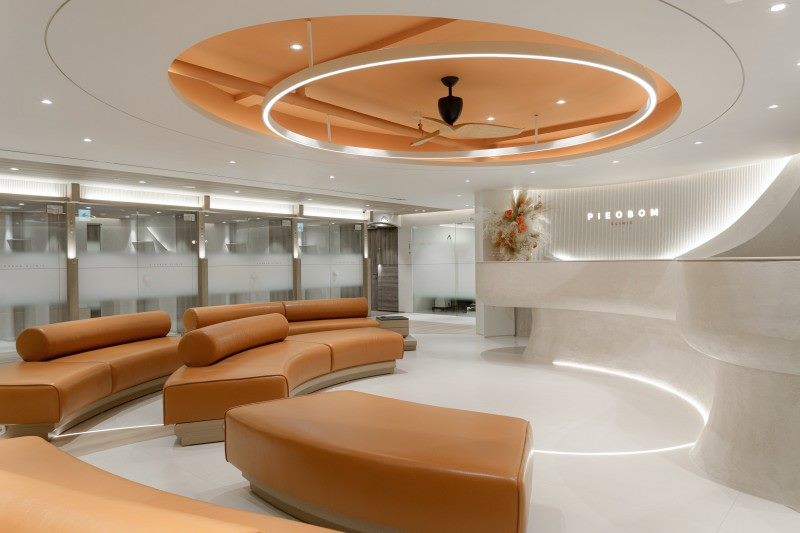
One-to-one personal solution at Gangnam Pieobom Clinic
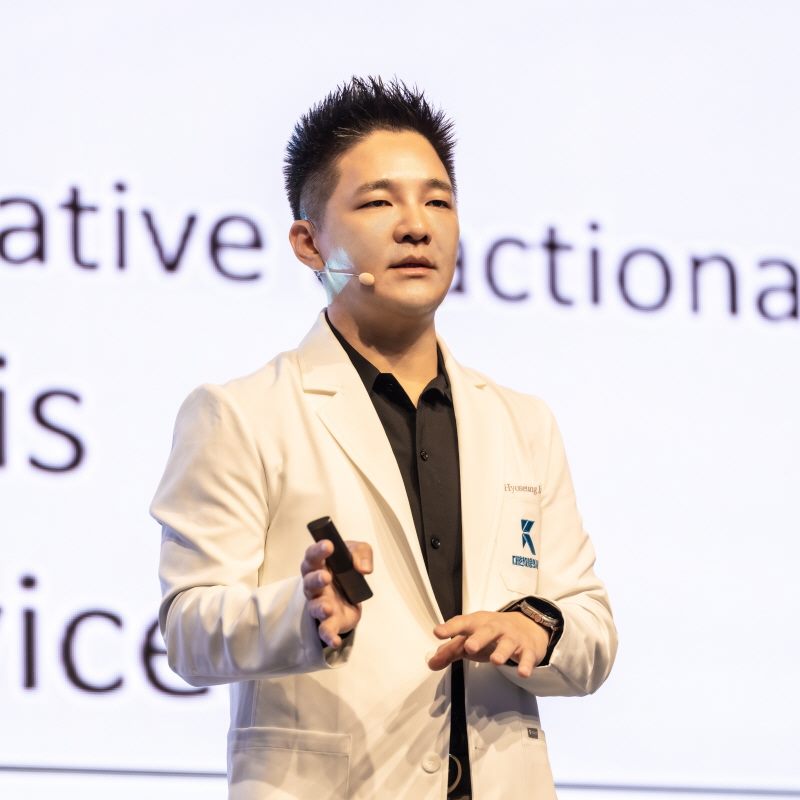
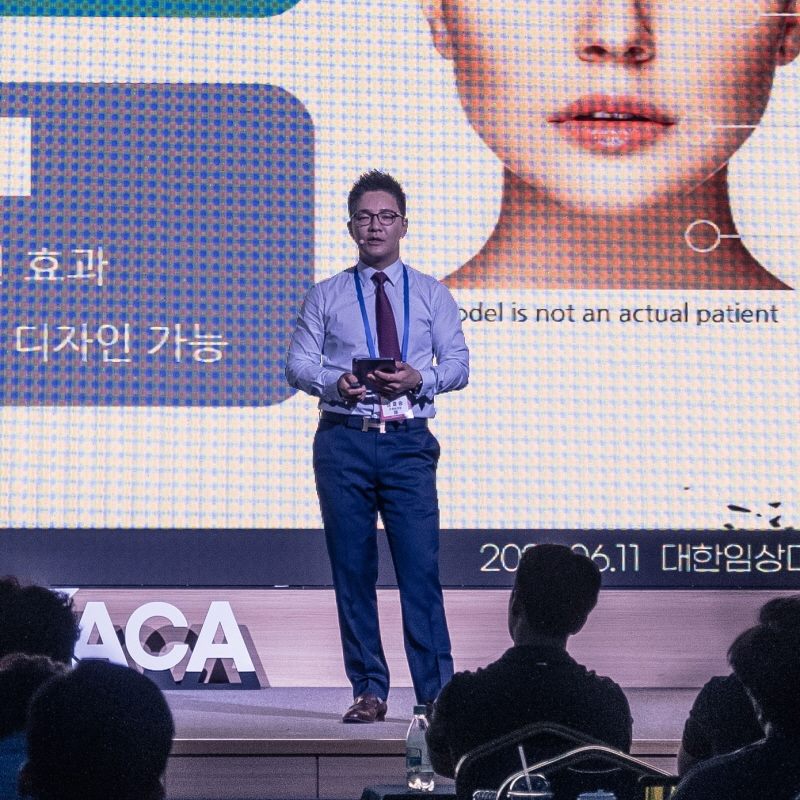
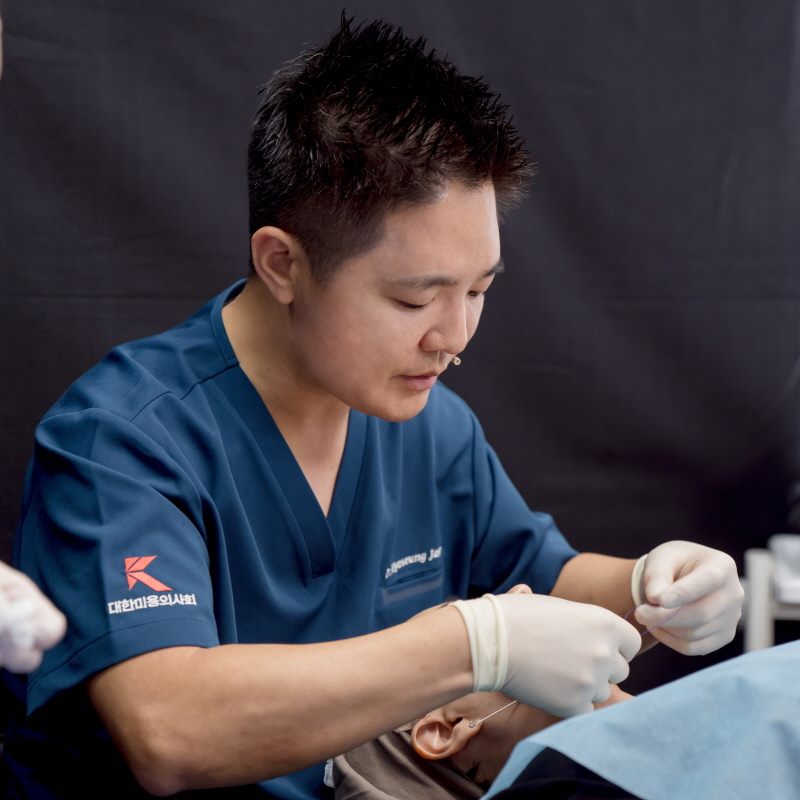
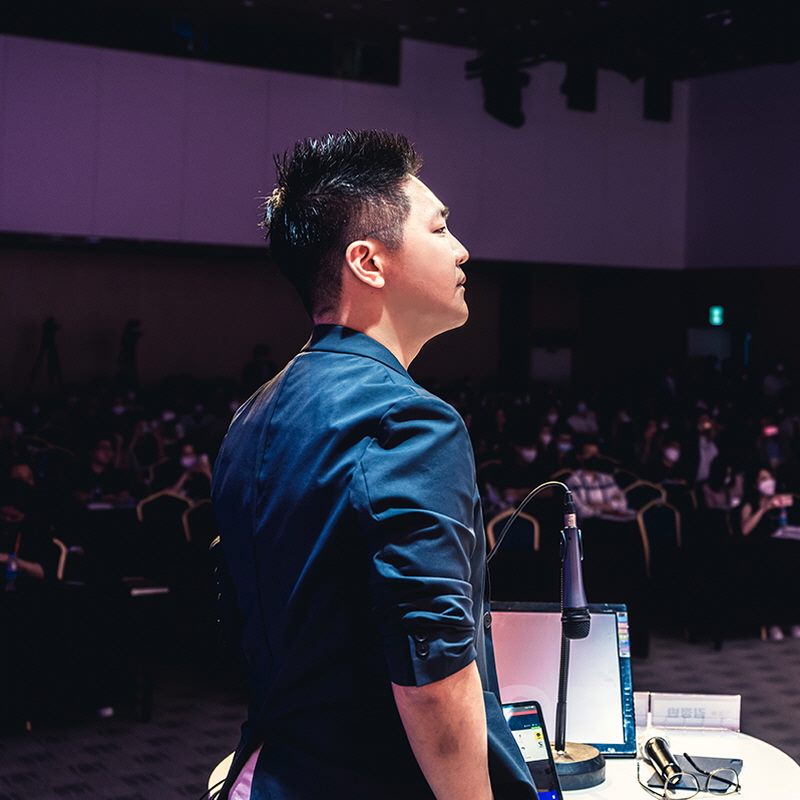
Dr. Hyoseung Jang of Gangnam Pieobom Clinic has served as President of the Korean Association of Clinical Aesthetic Medicine and, drawing on more than 15 years of clinical know-how, personally handles the entire treatment process one-to-one.
After carefully analyzing each person's skin condition, thickness, fat volume and individual needs, a one-to-one personal design is created. Only by moving away from a uniform approach and setting a precise lifting direction that fits your own face can a natural, satisfying improvement in firmness be achieved without awkwardness.
If you want to lift a sagging contour firmly and regain firmness from within, we invite you to receive a systematic one-to-one consultation at Gangnam Pieobom Clinic.
Frequently Asked Questions
What are pain and recovery (downtime) like after thread lifting?
Local anesthesia is used during treatment to keep pain to a minimum. For about 3-5 days afterward there may be slight swelling, bruising or a tingling feeling, which settles naturally, and daily activities are generally possible from the same day.
Does the effect disappear as soon as the threads dissolve?
No. While the threads slowly dissolve and are absorbed in the body, they continue to stimulate collagen and elastin synthesis in the dermis. Even after they have dissolved completely, the newly formed tissue is described as helping the improved firmness last for several months or longer. Individual results vary.
What if dimpling appears on the skin surface after thread lifting?
If a thread is placed too shallowly in thin skin or pulled with excessive force, temporary dimpling can occur. It usually resolves naturally within 1-2 weeks, and applying precise placement techniques matched to skin thickness at the initial custom-design stage helps reduce the chance of this happening.
What aftercare precautions should I follow after treatment?
For about a week after treatment, avoid alcohol, saunas and strenuous exercise that raise body temperature. Until the threads settle, it is also best to avoid pressing or rubbing the treated area hard, meridian-style massage, and opening your mouth too wide.
Can it be combined with other anti-aging treatments such as Ultherapy, DENSITY or Juvelook?
Yes, combining treatments can complement each other well. Thread lifting addresses physical sagging right away, and adding an RF/ultrasound device or a skin booster can raise surface firmness and inner density together, depending on your condition.
What kind of doctor should I look for when considering thread lifting?
More important than the type and number of threads is the skill of the medical team handling them. Choose a doctor with ample clinical experience who can read skin anatomy, fat distribution and even the movement of expression muscles precisely and deliver a one-to-one custom design.