한국어
 繁體中文
 简体中文
 日本語
 ไทย

The loss of firmness and volume in facial skin that comes with age is a major reason the overall impression looks dull and tired. In particular, when the dermis and subcutaneous fat of the midface shrink, the whole face looks hollow and aging becomes more noticeable.
For this reason, more people are considering Juvelook Volume in Gangnam to naturally restore deepened nasolabial folds and hollow cheeks.
[Juvelook Volume in Gangnam] Why choosing a proven 'official Juvelook top clinic' matters
The result of Juvelook Volume depends heavily on a precise reconstitution process and an anatomically layered, dispersed injection technique rather than simple injection. Gangnam Pieobom Clinic was selected as one of the top 50 clinics (Top Clinic) for Juvelook and Juvelook Volume treatments in Korea and, drawing on years of accumulated clinical data and know-how, aims to achieve natural and safe volume.
Juvelook Volume: the combination of PDLLA and HA and how it works
Unlike conventional fillers, which simply fill in an external substance to secure physical space, Juvelook Volume is a next-generation collagen stimulator that guides the skin's own tissue regeneration.
The key ingredients are PDLLA (Poly-D,L-Lactic Acid), a biocompatible polymer, combined with hyaluronic acid (HA). The fine particles injected into the lower dermis act as a biostimulator, promoting activation of nearby fibroblasts in several ways.
How it differs from regular fillers
Depending on the principle by which volume is created, there is a clear difference in how long results last and how natural the overall impression looks.
| Category | Regular hyaluronic acid (HA) filler | Juvelook Volume |
|---|---|---|
| Main ingredient | Cross-linked hyaluronic acid (external filler) | PDLLA + non-cross-linked HA (collagen-stimulating agent) |
| How it works | Fills space as a physical gel | Stimulates fibroblasts in the lower dermis and builds the body's own tissue |
| How volume appears | Contour forms immediately after treatment | Natural volume that builds gradually over 2-3 weeks |
| Suitable areas | Defined contour in a specific area | Areas with a lot of expression movement, such as nasolabial folds, hollow cheeks and temples |
Improving nasolabial folds and midface hollowing
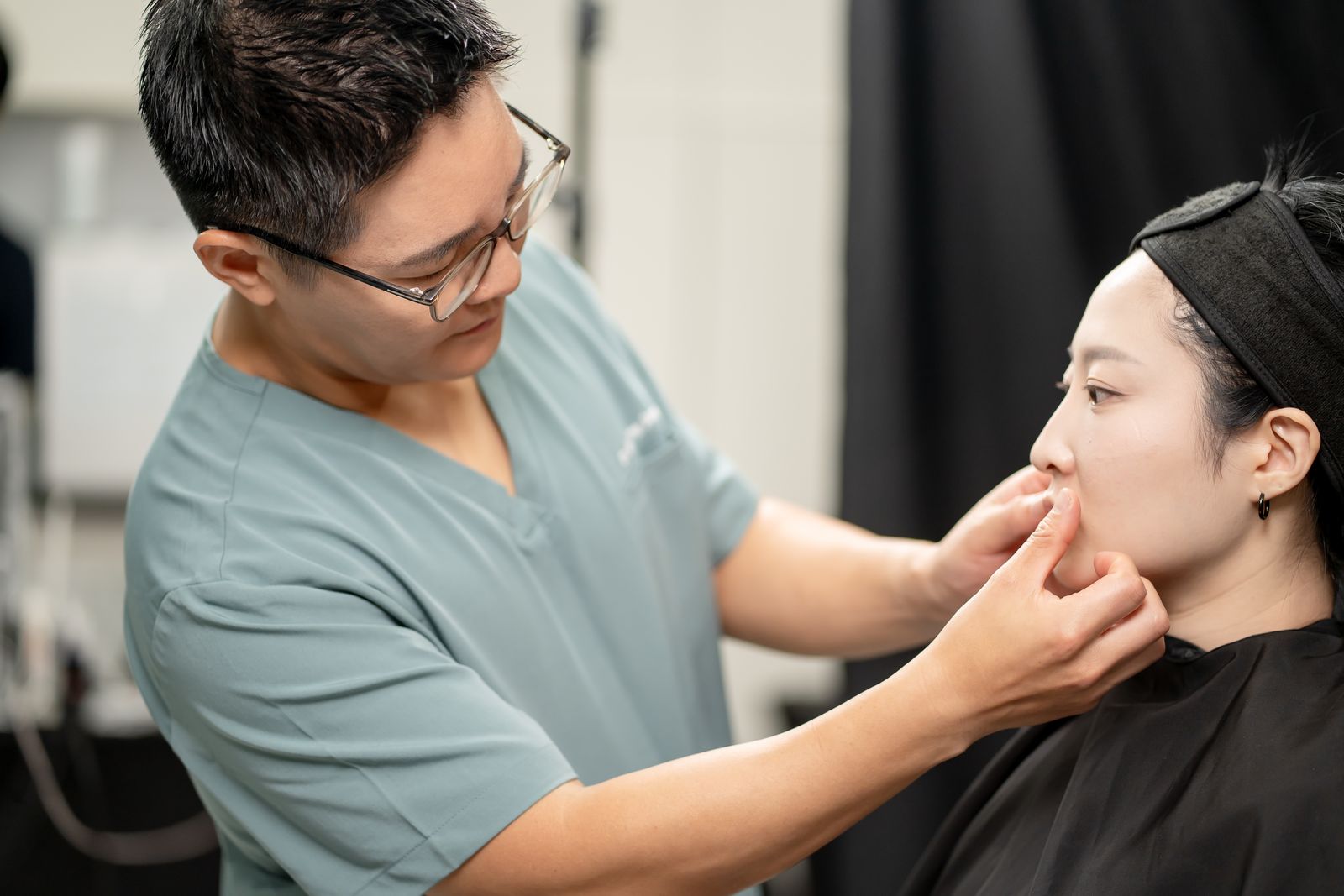
In the nasolabial folds and midface, where expression muscles are very active and move a lot, a large amount of artificial material can easily feel hard or look unnatural.
With Juvelook Volume, volume is added gently over time as if your own tissue were filling in, so there is less concern about an unnatural look.
However, if the movement of expression muscles, dermal thickness and the degree of subcutaneous fat shrinkage are not evaluated from several angles and the dose is simply increased, volume imbalance can result, so a detailed diagnosis that precisely measures each person's stage of aging and skin firmness before treatment is essential.
Aftercare rules that help results
Careful aftercare should support the treatment so that the injected PDLLA particles can react stably inside the skin and promote collagen production in several ways.
① Temperature control (to help prevent swelling and bruising)
For about a week after treatment, avoid activities that sharply raise body temperature, such as alcohol, saunas, steam rooms and high-intensity exercise.
② Minimize physical stimulation
Avoid massaging that presses or rubs the injected area firmly, and it is best not to put pressure on it until the process of your own tissue forming has settled.
One-to-one personal solution from a top clinic, Gangnam Pieobom Clinic
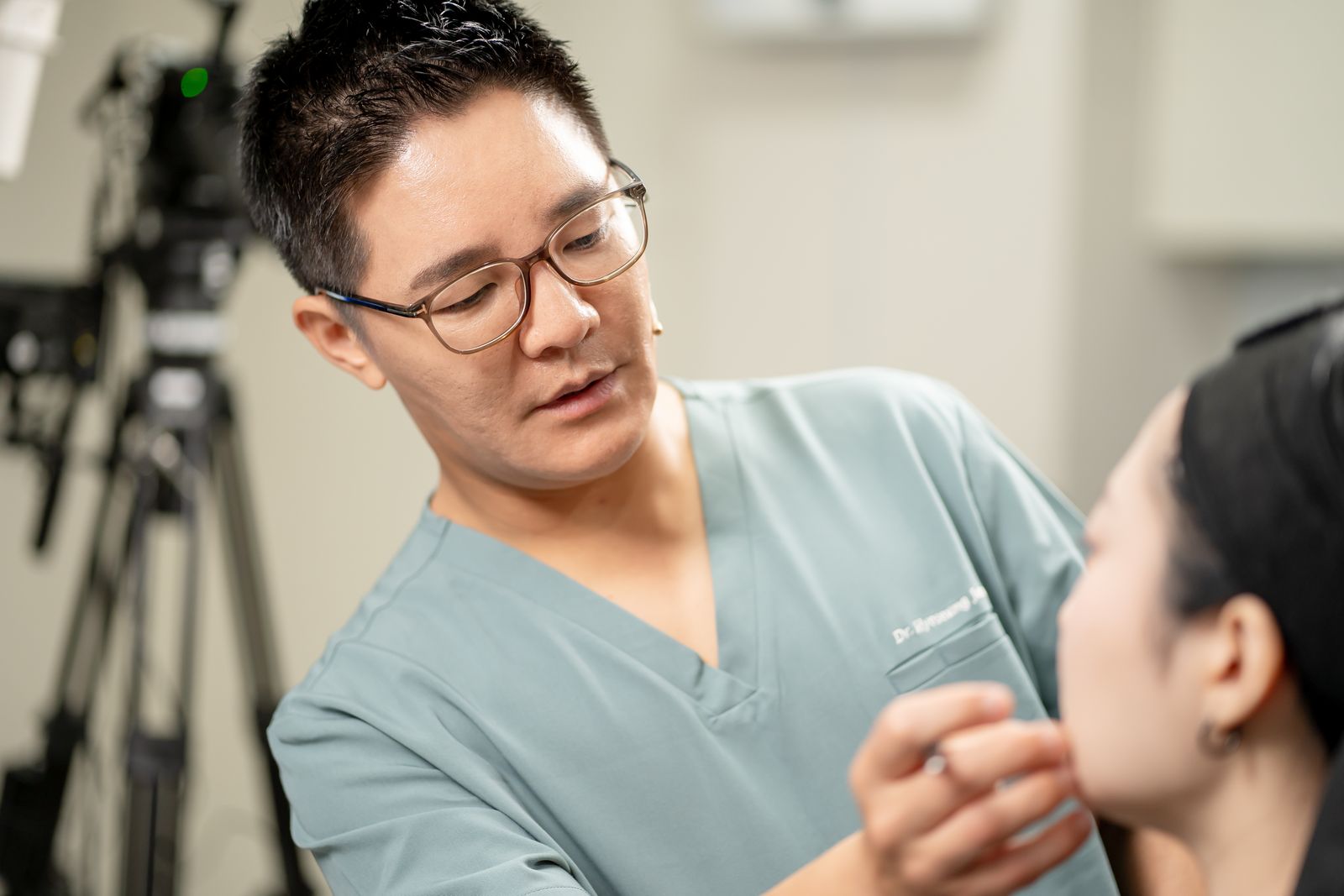
With Juvelook Volume, which aims at skin tightening and restoring hollow contours at the same time, the final result depends on the doctor's reconstitution know-how, aesthetic eye and injection technique.
At Gangnam Pieobom Clinic, where Dr. Hyoseung Jang, President of the Korean Association of Clinical Aesthetic Medicine, performs the treatment personally, we offer a one-to-one personal design that carefully accounts for each patient's subcutaneous structure and even the movement of expression muscles, backed by our standing as one of the top 50 clinics for Juvelook and Juvelook Volume treatments in Korea.
If you want natural, firm volume that fits you well, we invite you to have a clear consultation at Gangnam Pieobom Clinic, with the rich clinical data and technical skill of a top clinic.
Frequently Asked Questions
Is there any concern about nodules (clumping) after Juvelook Volume?
Juvelook Volume has very fine particles in a net-like structure, so the nodule risk is on the lower side. At Gangnam Pieobom Clinic, a Juvelook top clinic, a know-how-based premium reconstitution process and a precise target-layer dispersed injection technique are used to keep the chance of nodules as low as possible. No treatment is entirely risk-free.
How many sessions are needed to reach satisfying volume?
It varies with each person's degree of hollowing, but about 3 consecutive sessions at 4-week intervals are usually recommended. As sessions accumulate, the density of your own collagen gradually builds, which is described as showing firmer results and better durability.
What are the downtime and return to daily life like after treatment?
A blunt-tip cannula is used, which keeps bruising and swelling to a minimum. Slight swelling or injection marks right after treatment usually fade comfortably within 1-3 days, and you can resume daily life right away.
Can it be combined with fillers or laser lifting?
Yes, it is possible. In a combined plan, deep lines are smoothed immediately with a filler and the overall hollowing around them is filled with Juvelook Volume, or it can be paired with lifting devices such as DENSITY or Ultherapy for a more refined tightening of the facial line.
What is the difference between regular Juvelook (skin) and Juvelook Volume?
Regular Juvelook has smaller particles and is injected into shallow layers of the skin to improve skin texture, fine lines and pores, while Juvelook Volume has larger particles and is injected into the lower dermis or fat layer, specializing in restoring volume in areas such as hollow cheeks, nasolabial folds and temples.